The Food & Drink Maintenance Engineer Occupational Profile
Overview
A Food & Drink Maintenance Engineer plays a critical role in keeping manufacturing operations running safely, efficiently, and consistently. In an industry where downtime directly impacts output, product quality, and profitability, these engineers are responsible for ensuring that production equipment and systems operate at optimum performance.
Within the UK Food & FMCG manufacturing sector, Maintenance Engineers are typically either mechanically biased, electrically biased, or truly multi-skilled, working across highly automated production lines, packaging systems, and process equipment.
At its core, the role exists to maximise equipment reliability, minimise downtime, and support continuous production in what is often a 24/7, high-pressure environment.
The Role of a Maintenance Engineer in Food & Drink Manufacturing
Unlike general manufacturing, the food and drink environment introduces additional layers of complexity. Engineers must balance engineering performance with food safety, hygiene standards, and regulatory compliance.
Typical responsibilities include:
- Planned Preventative Maintenance (PPM) across processing and packaging equipment
- Reactive maintenance and fault finding on mechanical and electrical systems
- Diagnosing breakdowns and implementing long-term fixes
- Supporting installation, commissioning, and upgrades of new machinery
- Driving continuous improvement initiatives to increase efficiency and reduce waste
- Ensuring compliance with food safety standards such as HACCP
- Maintaining detailed maintenance records and reporting
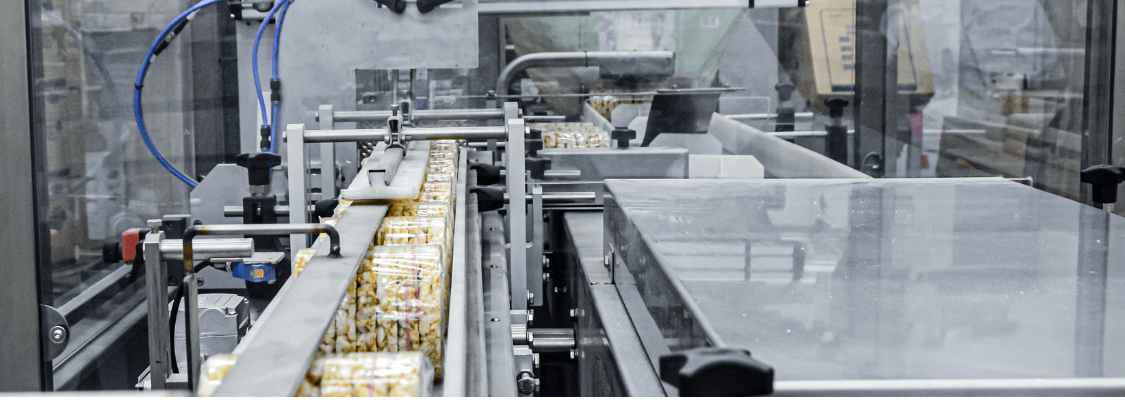
Engineers are often working on equipment such as conveyors, fillers, checkweighers, packaging machinery, inspection equipment, robotics, pumps, valves, and automated production systems.
The overarching objective is simple: keep the factory running.
The Working Environment
Food & Drink Maintenance Engineers typically operate within:
- High-speed production environments
- Hygienic or high-care manufacturing areas
- 24/7 shift-based operations (including nights and weekends)
- Regulated environments with strict audit and compliance requirements
This is not a desk-based role. It is hands-on, fast-paced, and often reactive, where engineers are expected to respond quickly to breakdowns that can halt production lines within minutes.
Core Skills and Technical Competencies
To be effective in the role, Maintenance Engineers require a combination of technical capability, problem-solving ability, and resilience under pressure.
Technical Skills
- Mechanical maintenance (bearings, gearboxes, pumps, valves)
- Electrical fault finding and diagnostics
- PLC fault finding (e.g. Siemens, Allen Bradley)
- Hydraulics and pneumatics
- Understanding of automated production and packaging systems
- Ability to read technical drawings and schematics
Industry-Specific Knowledge
- Food safety and hygiene standards (HACCP, TACCP, VACCP)
- Cleaning processes (CIP – Clean in Place systems)
- Quality and compliance standards within food manufacturing
- Understanding of production processes (e.g. dairy, bakery, beverages, meat processing)
Soft Skills
- Strong problem-solving and fault diagnosis
- Ability to work under pressure in time-critical situations
- Communication skills when working with operators and production teams
- Team collaboration within engineering and operations functions
- Ownership and accountability
Types of Maintenance Engineers in Food Manufacturing
Not all Maintenance Engineers are the same. Within the Food & FMCG sector, roles typically fall into the following categories:
Mechanical Maintenance Engineer: Focused on mechanical systems such as conveyors, gearboxes, pumps, and structural components.
Electrical Maintenance Engineer: Specialises in electrical systems, control panels, sensors, drives, and wiring.
Multi-Skilled Maintenance Engineer: Combines both mechanical and electrical skills, often including PLC fault finding.
These are the most in-demand engineers in modern food manufacturing environments.
Key Objectives of the Role
Regardless of specialism, all Maintenance Engineers in the food sector are ultimately measured on:
- Reducing downtime and improving OEE (Overall Equipment Effectiveness)
- Improving reliability of plant and machinery
- Supporting production targets and output
- Maintaining safety and compliance standards
- Driving continuous improvement across engineering processes
In many businesses, the engineering team is the difference between hitting production targets and missing them.
Qualifications and Career Pathways
Typical entry routes into the profession include:
- Engineering Apprenticeships (Level 3+ in Mechanical, Electrical, or Multi-skilled Maintenance)
- NVQ / BTEC qualifications in Engineering
- HNC/HND or Degree in Engineering (Mechanical, Electrical, or Mechatronics)
Apprenticeships remain one of the most common pathways, combining hands-on experience with technical training specific to the food manufacturing environment.
Career progression often includes:
- Senior Maintenance Engineer
- Engineering Team Leader
- Supervisor Maintenance Manager
- Engineering Manager Reliability or Continuous Improvement Engineer
Why Maintenance Engineers Are Critical to Food & FMCG Manufacturing
In food manufacturing, production lines are often highly automated, running at high speed, and operating on tight margins. Even a short period of downtime can result in:
Lost production output Product waste Missed delivery deadlines Increased operational costs
This makes Maintenance Engineers one of the most commercially impactful roles on-site. They are not just fixing machines, they are protecting production, profitability, and brand reputation.
The Recruitment Challenge
Across the UK, there is a well-documented shortage of skilled Maintenance Engineers, particularly those with:
- Food or FMCG manufacturing experience
- Multi-skilled (electrical + mechanical) capability
- Experience working on high-speed automated machinery
Many businesses are competing for the same talent pool, which is driving:
Increased salary expectations Counteroffers and retention challenges Longer hiring processes
This is where specialist engineering recruitment becomes critical.
How SimWest Engineering Recruitment Supports Food Manufacturers
At SimWest Engineering Recruitment, we specialise in sourcing Maintenance Engineers specifically for the Food & FMCG manufacturing sector.
With over 17 years of experience in engineering recruitment, we understand:
- The difference between a good engineer and the right engineer
- The realities of working in food production environments
- The technical and cultural fit required for long-term success
We support manufacturing businesses across the wider UK with:
- Multi-Skilled Maintenance Engineers
- Electrical and Mechanical Maintenance Engineers
- Engineering Team Leaders and Maintenance Managers
- Chief Engineers and Engineering Directors
Our approach is built on quality over quantity, ensuring you are introduced to engineers who can make a genuine impact on your operation.
Looking to Hire or Secure Your Next Maintenance Engineering Role?
Whether you’re a business looking to strengthen your engineering team, or a Maintenance Engineer considering your next move within the Food & FMCG sector, we can support you.
For employers, we help reduce downtime, improve reliability, and build high-performing maintenance functions by introducing engineers who understand the realities of food manufacturing environments from day one.
For engineers, we work closely with you to understand your experience, career goals, and what matters most, whether that’s shift patterns, progression, or working with the right type of machinery and site culture, and connect you with opportunities where you can genuinely add value.
At SimWest Engineering Recruitment, we bring both sides together with a clear focus on long-term fit, not short-term fixes.